Marmorino Plaster
This style is the most classic of all the Italian Stucco versions dating back to around 500 years ago, Marmorino is a stucco derived from the Lombard word meaning Sthukki meaning shell or peel.
It is made with a lime putty and an aggregate marble dust. The marmorino is based on the binding action of rich areated lime. This is obtained from the heating of pure limestone (95% calcium carbonate) to 900°C, thereby releasing carbon di-oxide (CO²).
For more information on the Safety/Technical Data please click on the link below:

When the calcium oxide (quicklime) is mixed with water (slaking of the lime) it is transformed into calcium hydroxide dust or paste, depending on the amount of water added. Once the marmorino is mixed with lime paste and marble powder and applied to the support in the open air, the lime starts to recover the CO² that it lost in the oven and turns back into calcium carbonate, the stone from which it originated.
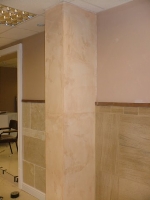
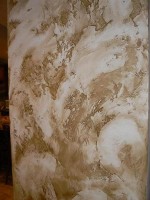
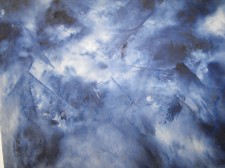
This is a marmorino with a glazed/polished finish giving the impression of highly polished marble stone with the typical soft shades of colour.
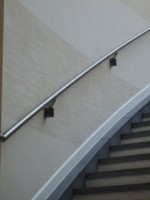
Using a mixture of different styles, using lime and minerals, Travertino''s look and feel are extremely adaptable giving walls a stone clad finish, marble effect or sand stone effect. The product works well both internally and externally.
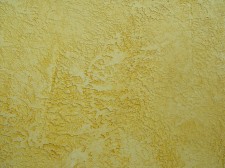
This is made with the same materials as Travertino but is given the name Damascato when it is used to create an aged/old stone wall effect. The finish can be in a natural finish or at the end a wax can be applied to the product and a colour added.